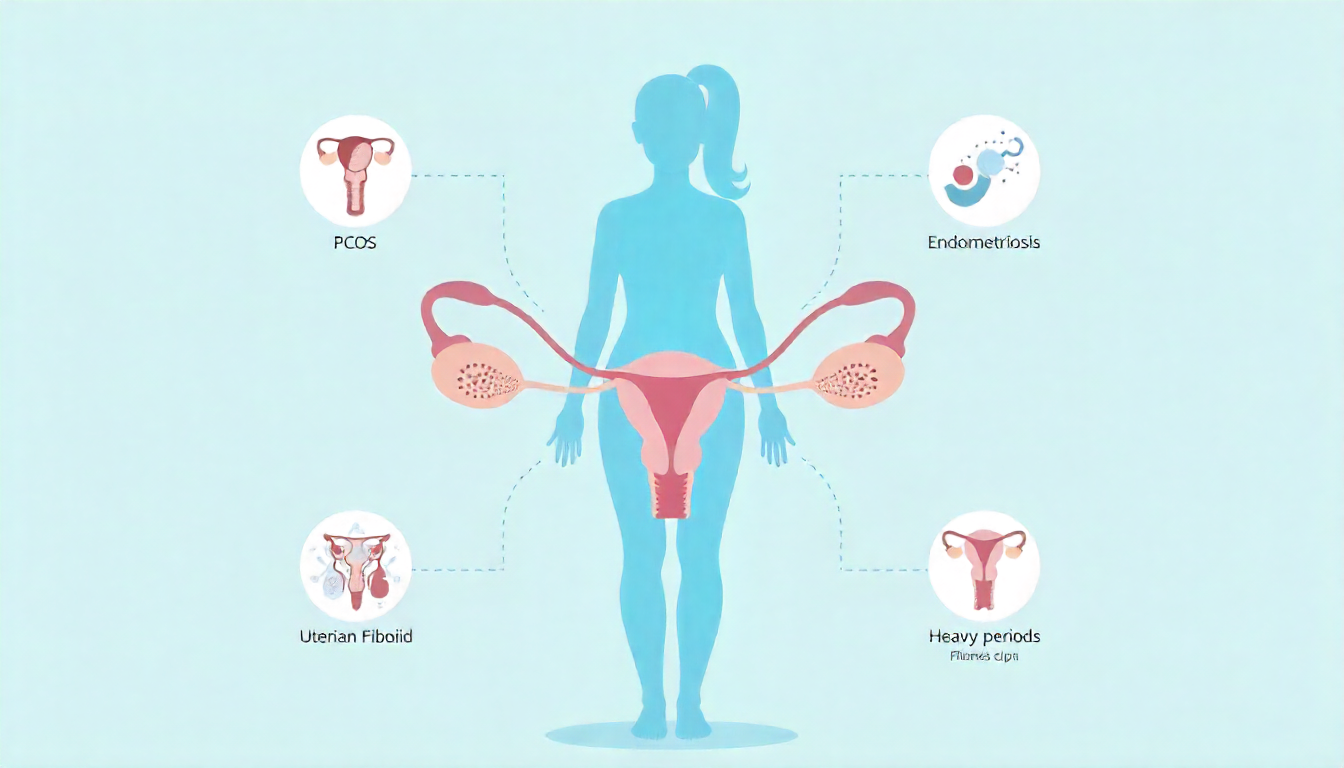
Talking about gynecological problems isn’t always easy, but it’s a crucial part of maintaining overall well-being. These concerns, which affect your reproductive health—including your womb, ovaries, cervix, vagina, or vulva—can significantly impact daily life. Being informed about common gynecological problems is one of the best forms of self-care for all women. Recognizing the symptoms early can prevent complications and lead to faster recovery. Let’s explore six prevalent women’s health issues, their causes, symptoms, and available treatments.
1. Heavy Periods (Menorrhagia)
Heavy periods, also known as menorrhagia, are among the most common gynecological complaints. If you find yourself changing pads or tampons every hour, or if your period lasts more than a week, you may be experiencing menorrhagia. Other signs include unusually heavy or prolonged bleeding, or severe cramps.
Causes: This condition can stem from various factors, including fibroids, polyps, or hormonal imbalances. Stress, thyroid issues, and conditions like PCOS can also contribute. The pain experienced, known as dysmenorrhea, results from the release of hormones causing uterine contractions as the endometrium sheds.
Treatment: While often overlooked, treatments are available to help manage heavy periods. Options range from hormone therapy and birth control pills to iron supplements for blood loss. In some cases, medication or minor procedures may be necessary. Pain often decreases with age and after childbirth.
2. Polycystic Ovary Syndrome (PCOS)
PCOS is a widespread hormonal condition affecting women’s reproductive systems. It is characterized by irregular periods, unwanted hair growth, acne, and weight gain. Women with PCOS may experience infrequent or prolonged menstrual periods, or elevated levels of male hormones (androgens). The ovaries can develop numerous fluid-filled follicles that fail to release eggs each month.
Causes: PCOS is often linked to insulin resistance and excess androgen hormones, with genetics and lifestyle factors also playing a role. The dysfunction of the ovaries in PCOS can lead to the production of more male hormones.
Treatment: Management typically involves a healthy diet, regular exercise, and hormonal birth control. Medications like metformin can help regulate insulin levels. Early support and treatment can make a significant difference, especially as PCOS can impact fertility.
3. Endometriosis
Endometriosis is a condition where tissue similar to the lining of the womb grows outside the uterus, such as on the ovaries, fallopian tubes, bowel, bladder, or rectum. This often misunderstood condition can cause agonizing periods, chronic pelvic pain, pain during sex, and fertility issues. Sadly, it can take years to diagnose.
Causes: While the exact cause is not fully clear, possible factors include retrograde menstruation, immune system issues, and genetics.
Treatment: Treatment options include pain relief medications (like NSAIDs), hormonal treatments to slow endometrial growth, or laparoscopic surgery for more severe cases. Hormonal contraceptives such as pills, patches, and vaginal rings can help control the hormones responsible for the growth of endometrial tissue. Early treatment can improve fertility outcomes.
4. Uterine Fibroids
Uterine fibroids are non-cancerous growths that develop in or around the womb. While some women may not experience any symptoms, others suffer from heavy periods, pelvic pain, frequent urination, lower back pain, or difficulty getting pregnant. Untreated fibroids can reduce the quality of life and potentially lead to complications like anemia.
Causes: Fibroids are linked to estrogen and progesterone levels, family history, and obesity. Although there are no specific causes, risk factors include obesity, precocious puberty, and having sex at an early age.
Treatment: Many fibroids resolve on their own. However, if treatment is needed, options include medication to shrink the fibroids, non-invasive procedures like uterine artery embolization, or surgery such as a myomectomy, which removes fibroids while preserving the uterus.
5. Ovarian Cysts
Ovarian cysts are fluid-filled sacs that form within or on the surface of an ovary, commonly occurring during ovulation. Most ovarian cysts are harmless and typically disappear on their own within a few months. However, some can cause pain, bloating, pressure, or even severe discomfort if they twist.
Causes: These cysts can arise from hormonal changes during the menstrual cycle, PCOS, or endometriosis. A follicular cyst forms if a follicle grows larger than usual and fails to release an egg. A corpus luteum cyst may develop if the tissue that forms after an egg is released fills with fluid or blood.
Treatment: Persistent or painful cysts should always be evaluated. Treatment often involves oral contraceptive pills to help them dissolve, while severe cases may require surgical removal.
6. Pelvic Inflammatory Disease (PID)
Pelvic Inflammatory Disease (PID) is an infection affecting a woman’s womb, fallopian tubes, or ovaries. It is a key entry in the list of gynecologic infections. If left untreated, PID can lead to long-term pain and fertility problems.
Symptoms: Common signs include lower abdominal pain, fever, and abnormal vaginal discharge. Pain during intercourse is also a symptom.
Causes: PID is usually caused by sexually transmitted bacteria, such as chlamydia or gonorrhea. Poor hygiene, untreated infections, and unprotected intercourse can also contribute. Additionally, abortion procedures performed by inexperienced practitioners or in unsterile environments, as well as engaging in sexual activity too soon after an abortion, can increase the risk of PID.
Treatment: PID is typically treated with a course of antibiotics. In severe instances, hospitalization or surgery may be necessary. Early treatment is crucial, as it can help mitigate the impact on fertility.
The Importance of Early Detection, Regular Check-ups, and Proper Hygiene
Awareness of your body and its signals is paramount for long-term reproductive health. If something feels off, such as unusual bleeding or discharge, persistent pelvic pain, pain during sex or urination, itching, lumps, or sores, trust your instincts and get it checked. Early action and diagnosis are always best.
Regular gynecological check-ups are essential for catching potential issues early, even if you don’t have symptoms. Regular smear tests, for example, are your best defense against cervical cancer. Women aged 21 and above, or those who have had intercourse, should consider periodic gynecological examinations at least once every six months.
Maintaining proper hygiene is also critical. The vagina’s humid environment can be ideal for bacterial and fungal growth, making proper feminine hygiene routines vital to prevent gynecological diseases. This includes showering and changing underwear regularly, especially during menstruation, and cleaning the genital area daily with warm water. Avoid wearing tight underwear, change sanitary napkins every four hours during menstruation, and refrain from using strong washes or deep cleansing inside the vagina. Additionally, practicing safe sex with condoms and avoiding multiple partners can prevent sexually transmitted infections that lead to conditions like PID. A healthy lifestyle with a balanced diet, adequate nutrition, enough rest, regular exercise, and stress management can also strengthen your resistance and effectively prevent gynecological disorders.
You know your body best. Don’t brush off concerns; seeking help is a sign of strength. For expert care and compassionate support, consider reaching out for gynecology treatment.